If horsepower is the rockstar of the motorsports world, balance is the quietly brilliant bassist holding the whole thing together. It's not flashy. You won't find it plastered across Instagram reels with fire emojis. But it might just be the single most important factor separating a corner-carving legend from a four-wheeled yard sale.
Let's talk about what balance really means, how the factory tries to give you a head start (or doesn't), and how you can tune your car to handle like a dream -- or at least spin out less often.
What Is Balance, Anyway?
In the simplest terms, balance is how your car distributes its weight and behaves dynamically when turning, braking, accelerating, or getting yeeted into a corner a little too hard.
There are two kinds:
- Static balance: Where the weight sits when the car is parked.
- Dynamic balance: What happens when the tires start screaming.
The holy grail? Neutral balance -- where the car rotates predictably without excessive understeer (pushing wide) or oversteer (turning too tightly). But what's "perfect" depends on what you're doing with the car and how much chaos you enjoy.
How Manufacturers Try to Balance Your Ride
OEMs design cars with balance in mind, but they're not just thinking about racetrack glory. They're juggling safety regs, grocery runs, and the need to not terrify Karen from accounting on her morning commute.
Some examples:
- Mazda Miata: 50/50 weight distribution, rear-wheel drive, and a setup that's basically "handling for dummies" -- in the best way.
- Subaru WRX: Front-heavy, but symmetrical AWD tries to keep it civilized.
- Porsche 911: Engine hanging off the rear axle like a stubborn toddler -- but with decades of German engineering to make it work (and scare you a little in the process).
Front-to-Back Balance (Longitudinal Weight Distribution)
The "longitudinal weight distribution" refers to how the car's weight is distributed from front to back between the front and rear axles. An evenly balanced car would have a weight distribution close to 50% front, 50% back. Because the engine is so heavy on internal combustion engines, cars with a close to 50:50 weight distribution tend to be mid-engine cars, or front and rear engine cars where the engine is close to the middle of the car.
Side-to-Side Balance (Lateral Weight Distribution)
A car's balance from the left to right is called its lateral weight distribution. In most performance cars, the lateral distribution of weight is roughly even when static, but the lateral weight distribution under dynamic conditions -- in turns -- is critical in motorsports.
Balance on the Go: Load Transfer (Dynamic Weight Distribution)
Let's assume you are sitting still in a car that is perfectly balanced front to back, so 50% of the weight on the front axle and 50% on the back. What happens if you let off the brake and accelerate forward?
Accelerating forward shifts more of the car's weight to the rear axle. The force of that acceleration pushes you back into your seat as the car moves forward. It also pushes the weight of pretty much every other part of the vehicle backwards.
This means that the distribution of the weight on the car shifts to the rear, so what was once a 50:50 balance may now be 45% of the weight on the front wheels and 55% on the rear wheels.
When more weight is loaded on the rear tires, they have more grip than the front tires. This is why drag racers need wide and sticky rear tires -- the front wheels may completely come off the tarmac.
On the flip side, when you hit the brakes, the braking force pushes you forward against your seatbelt and the load transfer shifts the weight distribution over the front wheels. As a result the front wheels now have more grip than they did before you braked and the rear wheels have less.
When turning, centrifugal force pushes the driver towards the outside of the turn, and that same force applies to the car, shifting the weight distribution to the wheels on the outside of the turn.
How Sports Cars Are Like Airplanes
We've covered how acceleration, braking and turning result in vehicle load transfer. Now let's understand how these factors result in the three-dimensional positioning of the car, using terms from aviation: yaw, pitch, and roll.
Yaw refers to the rotation of a vehicle around its vertical axis, causing the front end to turn left or right -- like a car steering or drifting around a corner.
Pitch is the rotation around the lateral axis, which raises or lowers the front end -- similar to nodding your head up and down.
Roll describes the rotation around the longitudinal axis, resulting in the object tilting side to side -- like a plane banking into a turn or a car leaning during a hard corner.
Design and Mechanical Factors That Influence Balance
Suspension Design and Components -- The suspension system plays a major role in dynamic balance by controlling how weight is transferred as the car moves. Spring rates determine how much the car resists compression under load; stiffer springs offer sharper handling, while softer springs improve ride comfort at the cost of responsiveness.
Anti-roll bars connect the left and right wheels to reduce body roll and can be tuned front-to-rear to dial in understeer or oversteer characteristics. Shock absorbers control the speed of suspension movement and directly influence how the car handles transitions like braking and turning.
Ride height also matters -- lowering the car reduces its center of gravity, improving balance and reducing body roll. Suspension geometry -- including camber, caster, and toe settings -- affects how tires make contact with the road under cornering loads.
Chassis Design -- A longer wheelbase typically offers more high-speed stability but is slower to rotate in tight corners, while a shorter wheelbase makes for quicker direction changes but can be twitchier at the limit. A wider track improves lateral stability and grip.
Drivetrain Layout -- FWD cars tend to be front-heavy and understeer more easily, while RWD cars allow better front-rear balance and enable drivers to rotate the car with throttle input. AWD systems add weight but can improve traction and balance.
Tires and Tire Setup -- Tires are where all the forces of acceleration, braking, and cornering ultimately meet the road. The compound, width, and sidewall stiffness of the tires determine how much grip is available at each corner.
Corner Balancing -- Corner balancing is the process of adjusting a car's suspension so that the diagonal weights across the car are as equal as possible. This is especially important for performance and race cars, as uneven diagonal loads can lead to unpredictable behavior during cornering.
Aerodynamics -- At higher speeds, aerodynamic forces begin to play a major role in balance. Downforce pushes the car into the pavement, increasing grip. The balance of downforce between the front and rear of the car determines how stable or twitchy it feels at speed.
Different Apps, Different Balance Goals
There's no one-size-fits-all for balancing a car. You'll want to tailor your setup for the kind of punishment you're handing out.
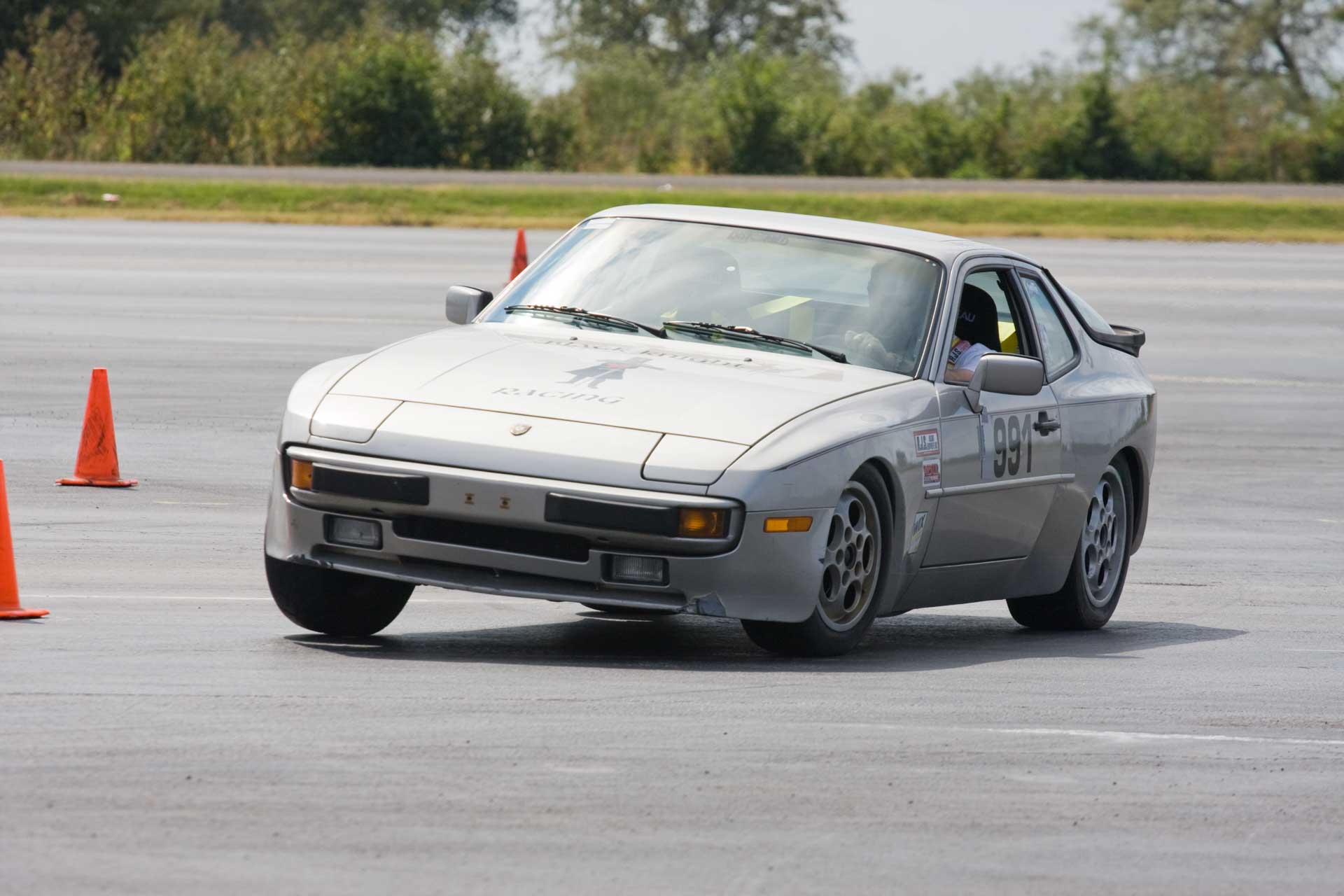
- Autocross: Quick transitions. You want a car that rotates easily and doesn't push at low speed.
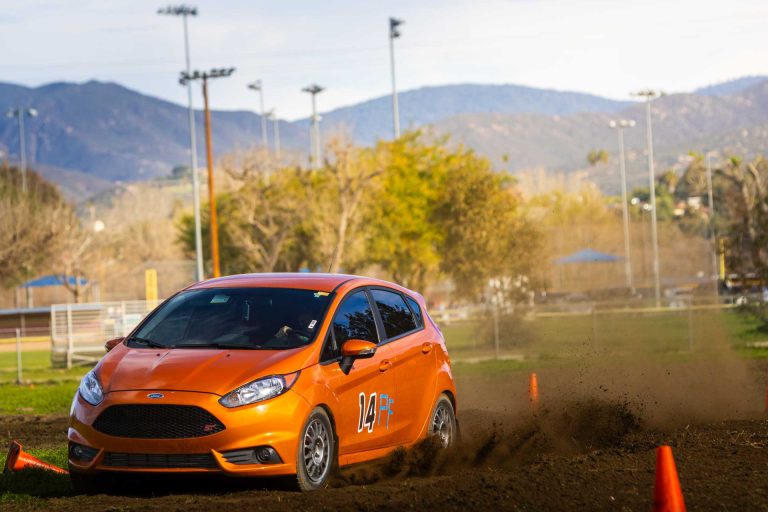
- Rallycross: Grip is loose, weight transfer is life. A little oversteer bias can help you rotate with the throttle.
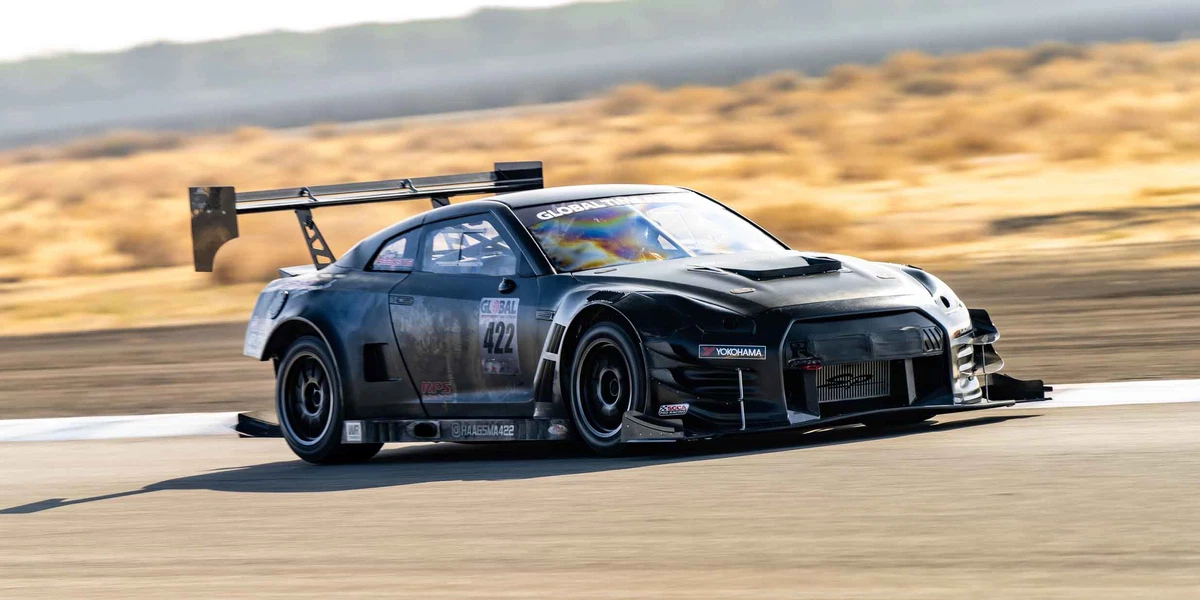
- Track Days/Time Attack: High-speed stability matters. Balance aero and suspension to maintain control without scrubbing too much speed.
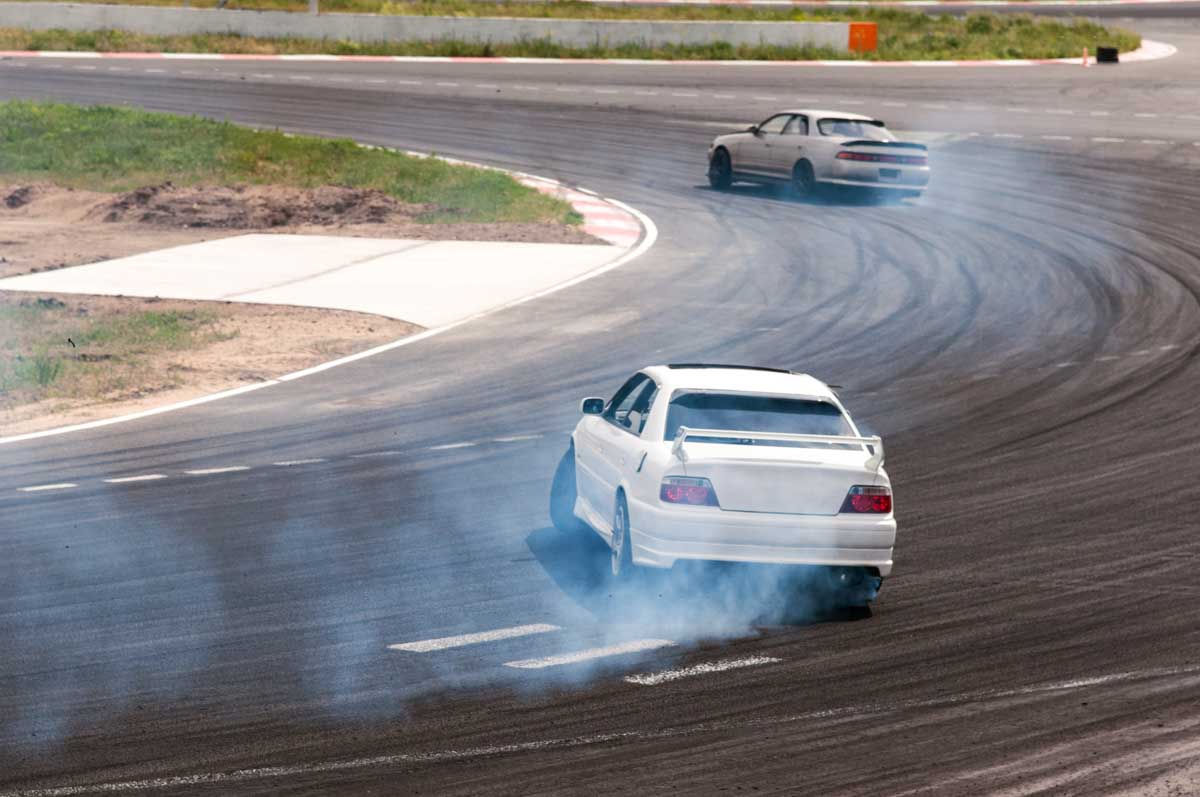
- Drifting: Forget grip. You want predictable breakaway and oversteer you can ride like a wave.
Balance Is a Journey, Not a Destination
There is no "perfect setup." There is only what works for you, your car, and the thing you're trying to do. The best way to find balance? Test. Tune. Repeat.
Keep a logbook. Change one thing at a time. Pay attention to what the car feels like -- not just lap times.
And if you end up sideways in the grass a few times? Hey, you're learning. Sometimes being off-balance is the key to moving forward.