What Is Autocross? The Complete Guide

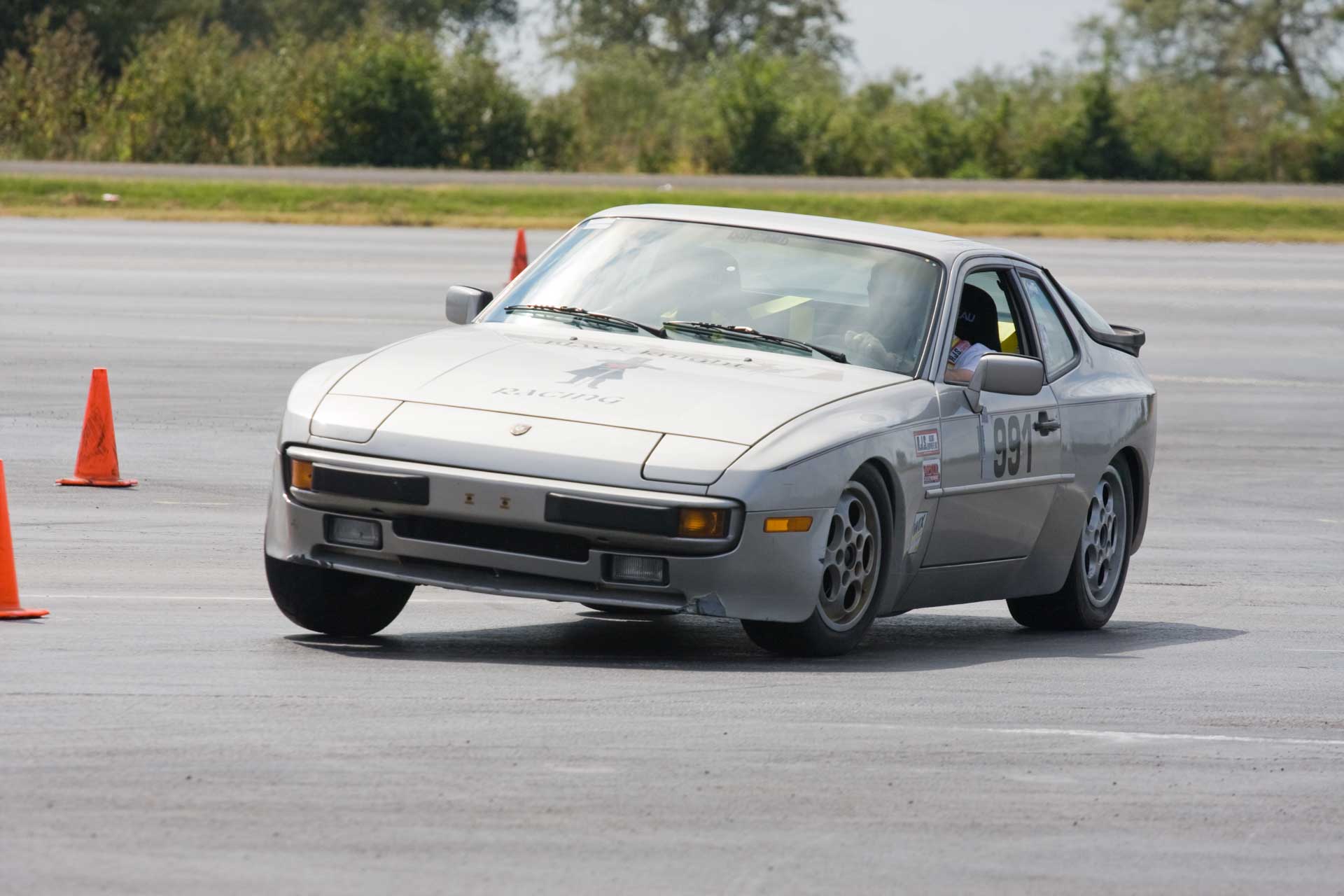
The first time you walk an autocross course, it doesn’t look like much. A parking lot. Some orange cones. A few people pacing out corners with their hands in their pockets, muttering to themselves. Nothing about it suggests that in two hours you’ll be completely absorbed in the problem of a single decreasing-radius turn and why you keep getting it wrong.
That’s the thing about autocross. The venue may be unglamorous, but driving around those cones can be addictive.
What Actually Happens
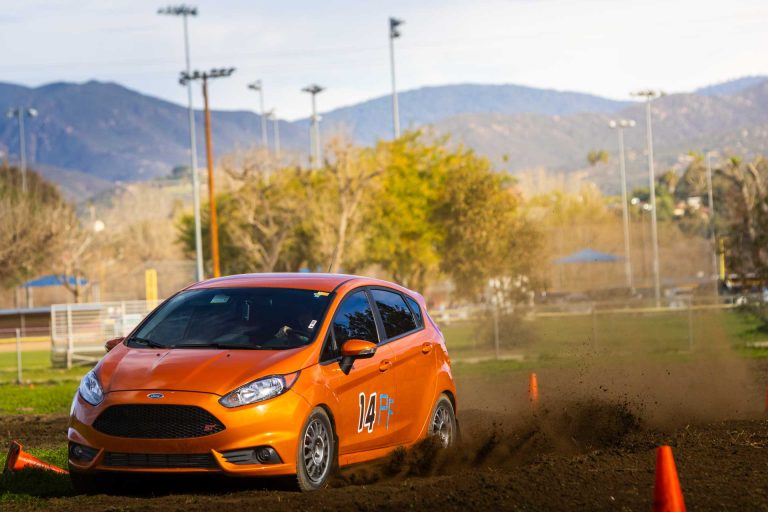
Autocross is timed solo driving on a course laid out with traffic cones, usually in a parking lot or airfield. You run alone against the clock, no other cars on course, no wheel-to-wheel contact, no drafting. Each run takes about a minute. You get several of them per event, and your fastest time is your score.
Here’s a POV of a driver running an autocross course in a Honda S2000:
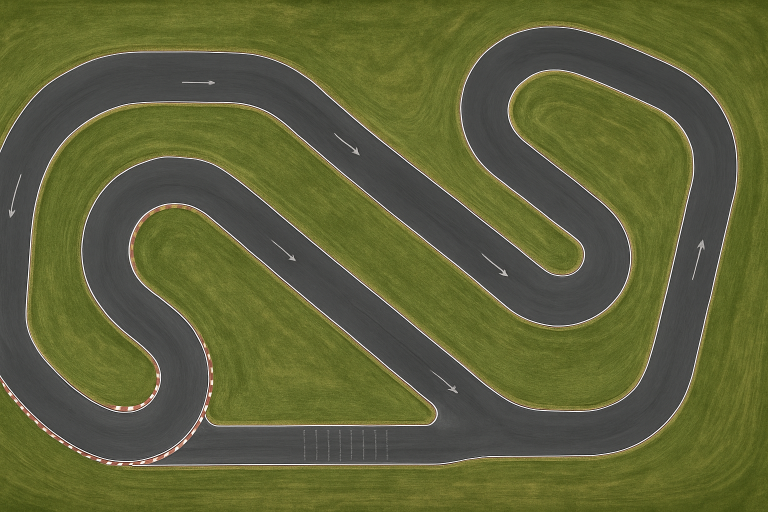
The course is different at every event, designed fresh each time by a course designer who is either a sadist or a genius depending on how your day is going. That constant variation is part of the point. You’re not memorizing a fixed track; you’re learning to read a course quickly, build a mental map from a single walkthrough, and then execute under pressure with a clock running.
What looks like a parking lot is actually a pretty demanding classroom.
A Typical Event Day
You’ll arrive in the morning to find the course already marked out. Before any driving happens, everyone walks it on foot, at whatever pace you need, as many times as you want. This is your only chance to learn it before you’re in the car, so take it seriously. Watch where the experienced drivers go. Their lines through the slaloms will tell you things the cones alone won’t.
After course walk comes tech inspection: a quick check that your car is in safe condition, your helmet meets the minimum rating, and nothing is going to fall off at speed. It’s not an interrogation. First-timers get through it fine.
Then work assignments. Autocross is typically run by the participants; everyone works a portion of the day shagging cones and timing, and drives another portion. The alternative to these run/work events are drive only events where the organizer pays workers to man the course and other duties (the national BMW club events follow this format). The flip side is they tend to be more expensive.
For run/work events, new drivers typically get assigned to cone duty first, which turns out to be genuinely useful. Standing next to a corner while experienced drivers come through it teaches you things about line and speed that are hard to absorb any other way.
Then you drive. A few runs in the morning, a few in the afternoon, and your fastest time stands.
About the cones: you will hit some. Everybody does, especially early on. Each cone you disturb adds a two-second penalty to that run, which stings, but the cones themselves are fine. They’ve been hit before. They’ll be hit again. This is their purpose, and they have accepted it.
Your Car Is Probably Fine
One of the more persistent myths about autocross is that you need a purpose-built or heavily modified car to participate. You don’t. Most events have stock classes where your daily driver competes against other stock cars of similar type. People show up in Corollas, Jeeps, minivans. There’s a class for almost everything.
Top speeds at autocross are modest; most courses are designed to keep things under 60mph, often well under. The challenge isn’t bravery or horsepower but judgment, precision, and managing the car at the edge of grip through a sequence of tight corners. A slower car driven well will beat a faster car driven carelessly, and that’s one of the things that makes it interesting.
What you do need: a helmet. A Snell-rated SA or M helmet is the standard requirement (confirm with tthe organizer what standard they require). If you don’t own one, many clubs have loaner helmets for first-timers, so it’s worth calling ahead to confirm. My local SCCA club has helmets for lone – you just give them an ID to hold until you return it. Everything else you probably already have.
How to Find an Event
You can check our calendar of events in California and neighboring states.
SCCA Solo is the largest organized autocross program in the country. Events are run by local regions under a national framework, which means your first event will almost certainly be organized by a regional club rather than a national office. The SCCA region finder at scca.com will point you toward whoever’s running events near you.
NASA (the National Auto Sport Association, not the one with rockets) runs autocross as part of a broader motorsport program that also includes track days. If you’re someone who might eventually want to do both, NASA events are worth knowing about. Their regional contacts are at nasa-motorsports.com.
Independent and marque clubs account for a surprising amount of autocross activity that never touches SCCA or NASA. BMW CCA chapters, Porsche Club of America regions, and Miata clubs all run their own events, sometimes with their own class structures. If you drive something with an enthusiast following, there’s a decent chance your car’s club is putting on events within driving distance. For finding events across all these organizations, MotorsportReg.com is the most reliable catch-all; search by date and location and see what comes up.
The Class Structure (Just Enough)
SCCA Solo has a lot of classes. More than you need to think about right now.
The broad logic: cars are grouped by how modified they are, from Stock (essentially as delivered from the factory) through Street and Street Touring categories that allow progressively more modification, up to Prepared and Modified classes where things get serious. Within each category, cars are further grouped by performance potential so a bone-stock Miata isn’t competing directly against a bone-stock Corvette.
There’s also PAX, an index system that theoretically lets you compare times across classes. It exists, it matters to people chasing trophies, and you can safely ignore it for your first several events.
For a first-timer, the practical question is just: which class does my car go in? The SCCA’s classing tool will tell you. Show up, run in your class, and worry about the rest later. You can read more about SCCA classes here.
What It Costs
Entry fees typically run $40–$60 per event for SCCA regional events, sometimes a bit more for larger ones. Annual SCCA membership is around $100 and is required to compete in SCCA events, though many regions offer a free trial day for newcomers before you commit.
The helmet is the significant first purchase if you don’t own one. A decent entry-level Snell SA2020 helmet runs $150–$300 new, and it’s the one piece of equipment worth buying rather than borrowing if you think you’re going to stick with this. Beyond that, the costs are fuel and whatever you choose to spend on the car, which at the beginning should be nothing.
Skills That Start to Matter
Autocross rewards precision over bravado, and the skills that separate fast drivers from slow ones are mostly learnable. They just take time to develop.
On your first few events, the most useful thing is vocabulary: understanding what the car is doing and having language for it. Understeer, oversteer, weight transfer, grip. These aren’t intimidating concepts once they’re explained plainly. Our Car Glossary is a good place to start.
After you’ve run a few events and the basic orientation anxiety fades, you’ll start noticing that some drivers are consistently faster and you can’t quite figure out why. The answer is usually car balance, specifically how weight moves around the car under braking, acceleration, and cornering, and how your inputs affect it. Understanding this is what takes you from driving the course to actually driving the car. Car Balance gets into it.
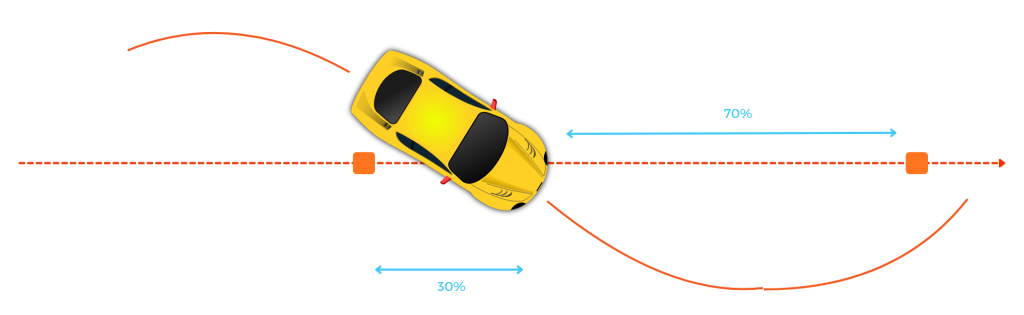
The deeper you go, the more specific the skills become. Reading cone placements, hitting apexes on courses you’ve only walked once, managing the car at the edge of adhesion through a slalom. One technique worth knowing about eventually: backside cones, and how to use them to find the fastest line through a gate. It’s not a day-one concept, but it’s the kind of thing that makes a real difference once you’re chasing tenths. How to Backside Cones goes deep on it when you’re ready.
Where Autocross Can Take You
A lot of people show up to their first autocross event thinking it’ll be a one-time thing and find themselves back the following month, then the month after that. The learning curve is long enough to stay interesting.
For some, autocross stays exactly what it is: a low-cost, low-risk Saturday activity that makes them a measurably better driver. For others it becomes a gateway. The car control skills that autocross develops transfer directly to rallycross, track days, and stage rally. The mental habits of course reading, systematic improvement, and understanding what the car is doing follow you wherever you go.